
Rehitnama
Rehitnama, often spelled as Rahit-nama, holds a pivotal place in Sikhism, serving as a comprehensive guide to the conduct and lifestyle expected of Sikhs.
Derived from the Punjabi words "rehit," meaning "mode of living," and "nama," meaning "manual," Rehitnama encapsulates the code of conduct that Sikhs are encouraged to follow.
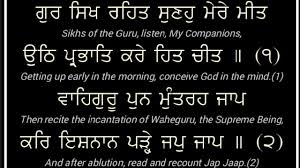
These manuals have been instrumental in shaping the moral and spiritual framework of the Sikh community, ensuring adherence to the principles laid down by the Gurus.
Origins of Rehitnama
The idea of a prescribed code of conduct in Sikhism can be traced back to Guru Nanak Dev Ji (1469–1539), the founder of the Sikh faith. He laid the foundation for Sikh ethics by emphasizing a distinctive way of living, known as rehit. His teachings focused on truthfulness, devotion to God, honest work, selfless service, and equality.
However, the formal documentation of Sikh codes began in the late 17th century. A major turning point in Sikh history came in 1699, when Guru Gobind Singh Ji established the Khalsa at Anandpur Sahib. During this historic event, he introduced specific guidelines for the Khalsa Sikhs, including:
These rules and principles were later written down in texts called Rehitnamas. These texts provided detailed instructions on how a Sikh should live, behave, and practice their faith in daily life.
Prominent Rehitnamas and Their Authors
Over time, various Sikh scholars and disciples of Guru Gobind Singh Ji wrote Rehitnamas to preserve the Khalsa code of conduct. Each Rehitnama contributed uniquely to shaping Sikh discipline and identity.
Rehitnama Bhai Nand Lal Ji
Bhai Nand Lal Ji was a poet, scholar, and devoted Sikh in the court of Guru Gobind Singh Ji. He wrote several important works, including:
Tankhanama
Sakhi Rehit Ki
His writings emphasize daily spiritual discipline, including:
His Rehitnama teaches that a true Sikh should maintain humility, practice self-control, and always remember Waheguru.
Rehitnama Bhai Daya Singh Ji
Bhai Daya Singh Ji was one of the Panj Pyare (the Five Beloved Ones), who were the first to receive Amrit from Guru Gobind Singh Ji. He documented the Guru’s instructions on Khalsa conduct in his Rehitnama.
His Rehitnama provides detailed guidelines on:
Bhai Daya Singh Ji emphasized living a life of discipline, courage, and devotion to the Guru. His Rehitnama remains an important guide for initiated Sikhs.
Rehitnama Bhai Chaupa Singh Ji
Bhai Chaupa Singh Ji was a devoted Sikh who closely served Guru Gobind Singh Ji. His Rehitnama is one of the most detailed and covers a wide range of topics, including:
His Rehitnama acts as a manual for Sikhs, explaining how they should conduct themselves in all aspects of life. It played a key role in ensuring that Sikh values and traditions were preserved even after the Guru’s time.
These Rehitnamas continue to guide Sikhs today, helping them follow the principles set by Guru Nanak Dev Ji and Guru Gobind Singh Ji. They serve as reminders of the discipline, devotion, and righteousness that define Sikh identity.
Evolution and Codification of Rehitnamas
The Rehitnamas were originally written as individual manuscripts, each providing guidelines based on the teachings of Guru Gobind Singh Ji and early Sikh scholars. These texts were passed down through generations, helping Sikhs follow a disciplined way of life. However, because different authors wrote them at different times, variations in practices emerged among Sikhs.
Recognizing the need for a unified code of conduct, the Shiromani Gurdwara Parbandhak Committee (SGPC) took the initiative to consolidate these diverse guidelines in the early 20th century. Scholars and Sikh leaders studied the various Rehitnamas and worked to create a standardized set of rules that all Sikhs could follow.
This effort led to the creation of the Sikh Rehat Maryada, which was officially approved in the mid-20th century. The Sikh Rehat Maryada harmonized different practices and provided a single, cohesive framework for Sikhs worldwide. Today, it serves as the official code of conduct for Sikhs and is followed in most Gurudwaras and Sikh communities across the world.
Core Tenets of Rehitnama
While different Rehitnamas contain detailed instructions, certain core principles remain central to Sikh life. These fundamental tenets define the identity, discipline, and values of a Sikh.
Faith in One Immortal Being
A Sikh's life is rooted in the belief in One Eternal God (Waheguru), who is beyond all forms and limitations. Sikhs do not worship idols or follow superstitions but focus on meditating on the Name of God (Naam Simran) and living a truthful life.
Adherence to the Teachings of the Ten Gurus and Guru Granth Sahib Ji
The Guru Granth Sahib Ji is the eternal Guru of the Sikhs, and its teachings, along with those of the Ten Gurus, guide Sikhs in all aspects of life. The Guru’s wisdom helps Sikhs develop faith, humility, and righteousness.
Initiation through Amrit Sanchar
The Amrit Sanchar (Sikh initiation ceremony), introduced by Guru Gobind Singh Ji in 1699, is an important step in becoming Khalsa (the pure ones). By taking Amrit, Sikhs commit to:
Observance of the Five Ks
The Five Ks (Panj Kakaar) are the external symbols of Sikh identity, each carrying deep spiritual meaning:
Engagement in Honest Livelihood and Altruistic Service
Sikhs are encouraged to earn a living through honest and ethical means (Kirat Karni) while also engaging in selfless service (Seva). Helping those in need, feeding the hungry through Langar, and standing against injustice are essential duties of a Sikh.
These core principles continue to shape Sikh identity today, guiding Sikhs toward a life of faith, service, and righteousness.
Rehitnama in Contemporary Sikhism
In the modern world, where lifestyles and societal structures have changed significantly, the Rehitnama continues to provide guidance and discipline for Sikhs. It serves as a moral and spiritual compass, helping Sikhs navigate the challenges of daily life while remaining connected to their faith and values.
Even with technological advancements and changing cultural influences, the core principles of the Rehitnama remain relevant. It emphasizes living with integrity, compassion, humility, and devotion to Waheguru. Sikhs today apply these teachings by practicing honest work, selfless service (Seva), and maintaining their unique Sikh identity in different parts of the world.
The Sikh Rehat Maryada, which is based on historical Rehitnamas, continues to shape the religious and social conduct of Sikhs globally. It ensures that Sikhs, whether in Punjab or outside India, stay connected to their heritage and live according to Gurmat (the Guru’s wisdom).
More than just a set of rules, the Rehitnama is a living guide, offering timeless wisdom for Sikhs to lead a righteous and spiritually fulfilling life. It reinforces the teachings of the Sikh Gurus, reminding Sikhs to stay disciplined, serve humanity, and remain dedicated to their faith in all circumstances.
Challenges in Implementing the Sikh Rehat Maryada
After the Sikh Rehat Maryada was officially adopted in the mid-20th century, it aimed to standardize Sikh practices across the global Sikh community. However, despite its widespread acceptance, different Sikh groups, sects, and Jathebandis (organized Sikh factions) have maintained their own interpretations of Sikh Rehit, leading to variations in practice.
Some groups, such as the Damdami Taksal, Nihangs, and Namdhari Sikhs, continue to follow earlier Rehitnamas that were written before the Sikh Rehat Maryada was formalized. These groups may have differences in:
These differences, though relatively minor, sometimes lead to debates within the Sikh community about which practices are most authentic. However, the Sikh Rehat Maryada remains the most widely accepted code and is followed in major Gurudwaras worldwide, including Sri Harmandir Sahib (Golden Temple).
Despite variations in interpretation, the core principles of Sikh conduct remain unchanged—devotion to Waheguru, service to humanity, and upholding truth and justice. The continued relevance of the Sikh Rehat Maryada ensures that Sikhs across the world have a common foundation for religious and ethical living.
Conclusion
The Rehitnama has played a vital role in shaping Sikh identity, discipline, and values throughout history. From the early teachings of Guru Nanak Dev Ji to the establishment of the Khalsa by Guru Gobind Singh Ji, these guidelines have provided Sikhs with a clear path to righteous living. Even today, the Sikh Rehat Maryada, based on historical Rehitnamas, continues to guide Sikhs in their spiritual and ethical journey.
In a world that is constantly changing, the principles of the Rehitnama remain timeless. They remind Sikhs to live with faith, honesty, humility, and service to humanity. By following these teachings, Sikhs can stay rooted in their traditions while embracing the challenges of modern life with strength and wisdom.