Do law and justice go hand-in-hand? Have some court decisions taken us backwards? What role can the arts play in making the law more accessible? Whereas legalese tend to be confusing, complicated and get stuck in the brain, poetry might be brief and go straight for the heart of the matter.
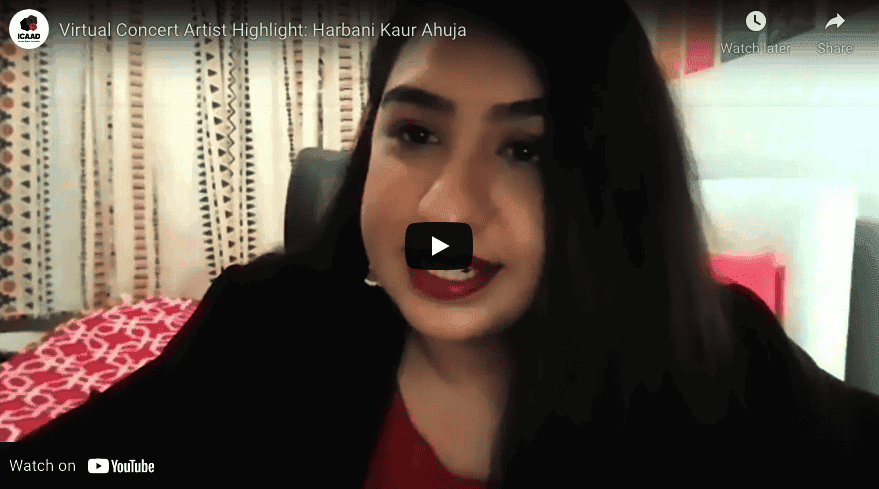
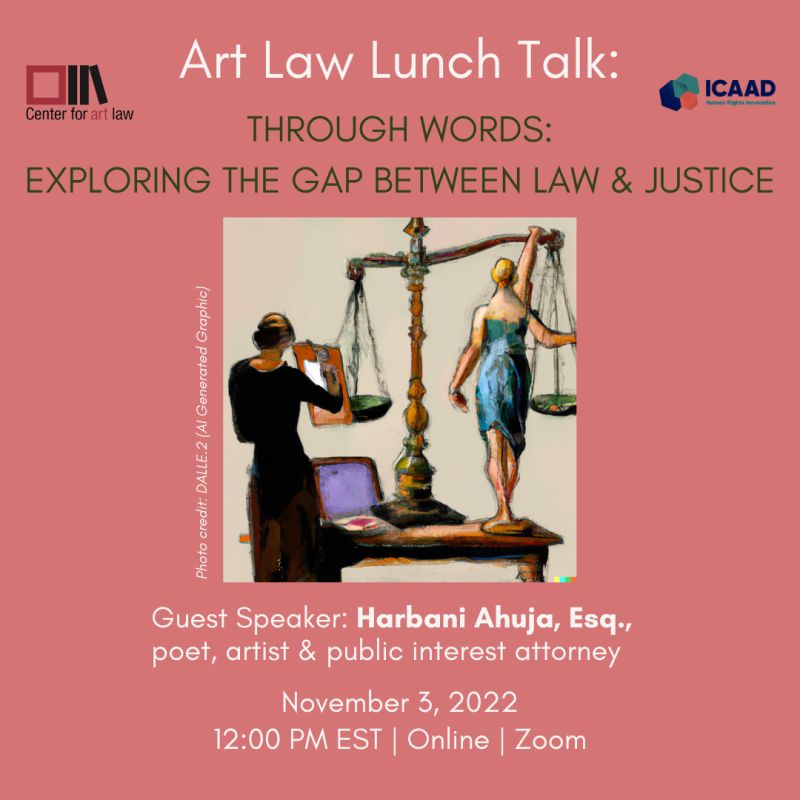
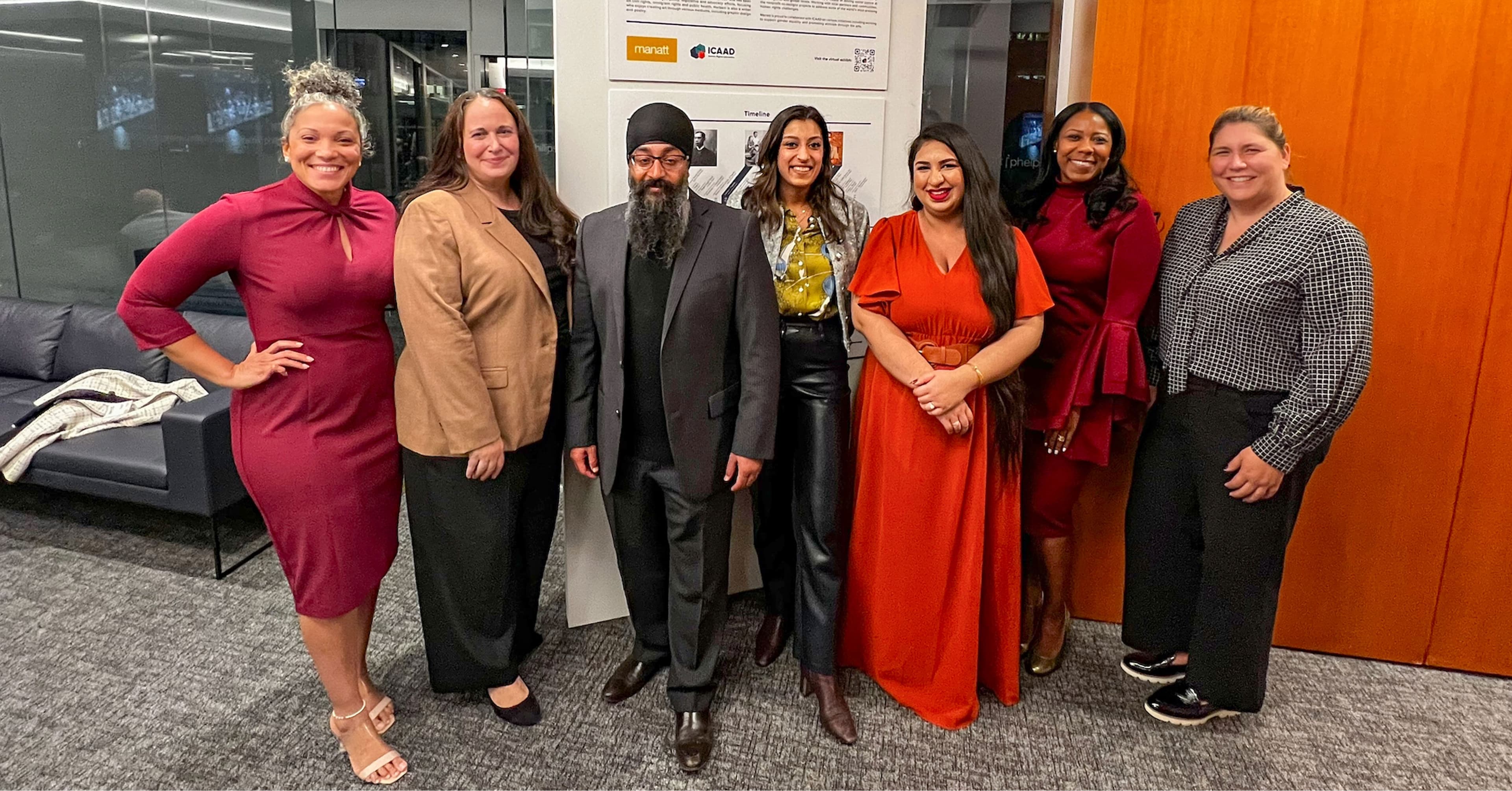
This month, we collaborated with the Center for Art Law to host an event with our ARTivist-in-Residence, Harbani Ahuja.
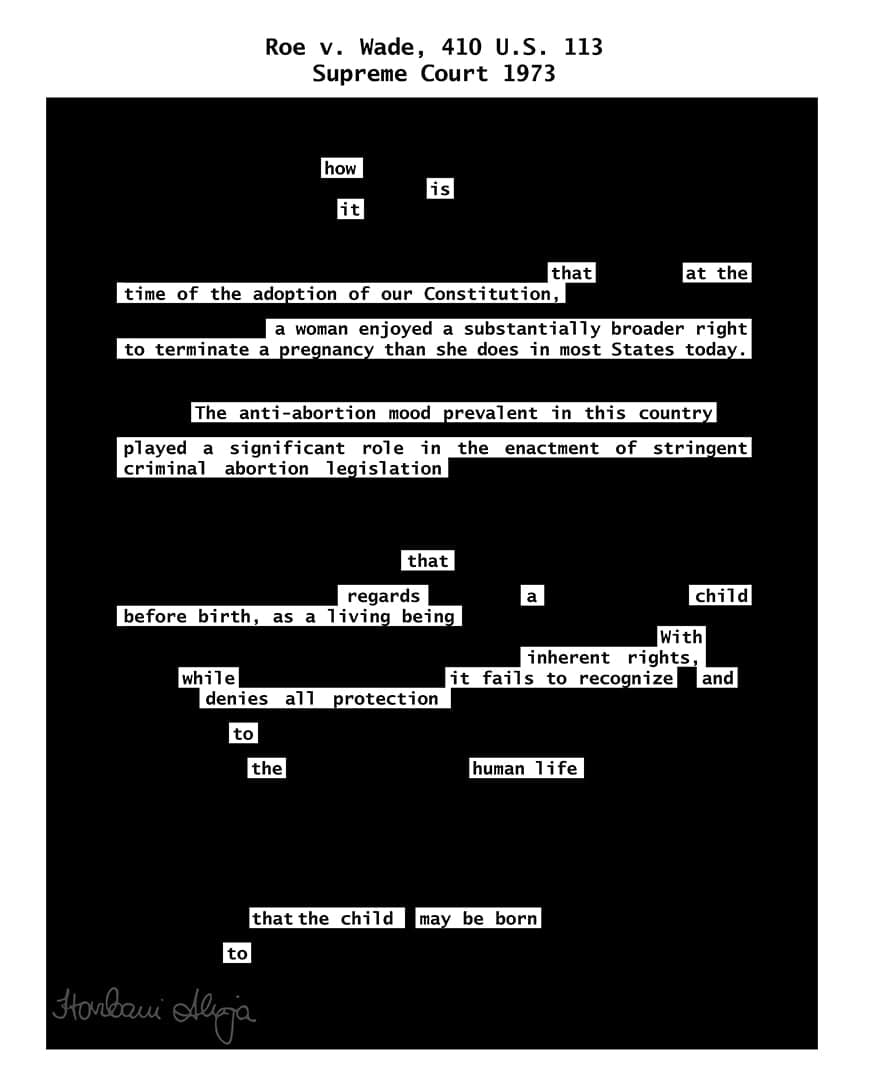
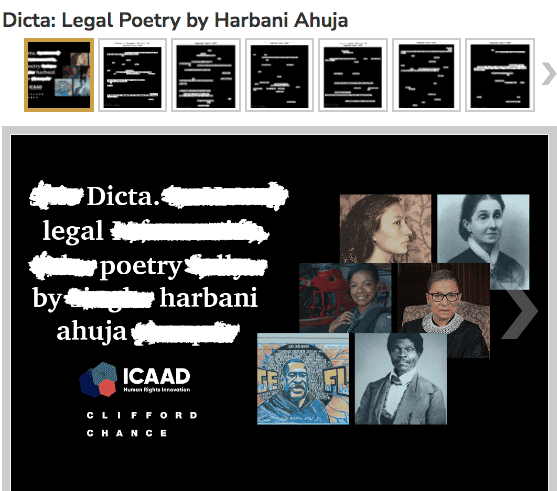
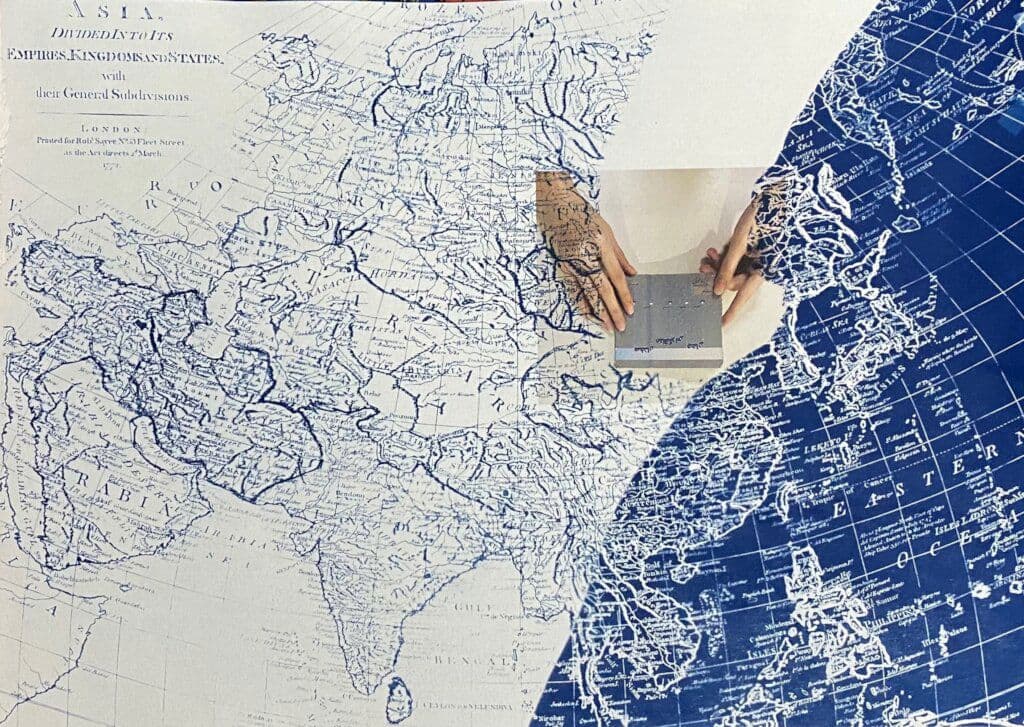
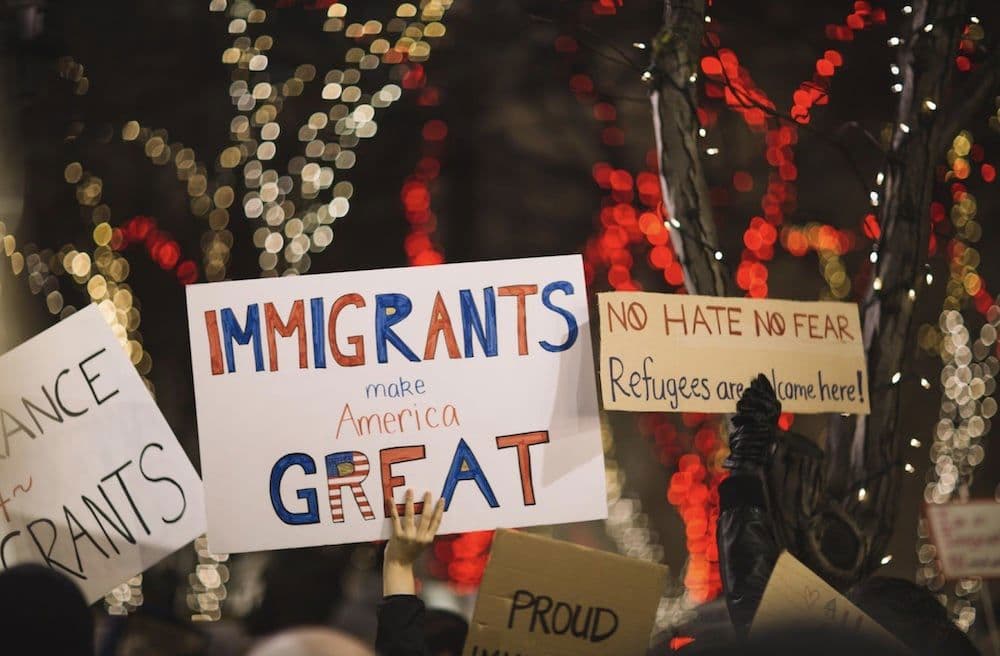
Harbani presented her poetry collection Dicta: created from redacting sections of key Supreme Court cases in US history. She read selections from her collections on the Rights of Black People, Immigrant Rights and Women’s Rights, and highlighted the tensions between law and justice in the courts through striking visual art. Harbani also discussed her career as an attorney, the reasons she chose to pursue a career in law, and how Dicta has changed her outlook on the law and her legal career.
During the event, Harbani explained that her motivation behind creating Dicta was to make the law more accessible and easier to read. She said: "Because the law is so complex, we often just assume that it’s correct, it’s right, it’s just – but it’s not.” She noted that we are often trained to think of the law as just by society, but that the reality is much more complex.
“Legal systems are a reflection of what people in power deem to be morally right or wrong", Harbani reflected. "So for a lot of marginised groups in this country, the law has even been used as system of oppression."
The timeliness for the struggle for human rights in the US country still continues today, and is illuminated by Harbani's powerful works. Her two forthcoming collections, on Indigenous Rights and the Right to Love, will be added to the exhibit in the coming months – we cannot wait to share them with you!




_20230209020820132.png&w=3840&q=75)
_20220216225522035.png&w=3840&q=75)